sachinbusiness19@gmail.com
Travelling is not just about seeing new places; it connects us with history, culture, and ancient civilizations. When we visit top cultural heritage destinations to visit once in a lifetime, we do not just look at old buildings—we step into stories and traditions passed down through generations. These sites hold a special charm because they let us experience human creativity, belief systems, and artistry from centuries ago. From the elegance of the Taj Mahal in India to the mysteries of Machu Picchu in Peru, every site tells a unique story. Visiting them is like walking through time, where every stone, carving, and structure has a tale to tell. These destinations act as living museums, showing the efforts, skill, and passion of our ancestors. In this blog, we explore 10 top cultural heritage destinations to visit once in a lifetime, along with interesting insights and travel experiences.
1. Taj Mahal, India – Eternal symbol of love and Mughal architecture

The Taj Mahal, located in Agra, India, is not only a symbol of love but also a masterpiece of Mughal architecture. Built by Emperor Shah Jahan in memory of his wife Mumtaz Mahal, it took over 20 years and thousands of artisans to complete. The white marble monument reflects sunlight during the day and moonlight at night, creating a mesmerizing effect. Its intricate carvings, inlay work with precious stones, and perfectly symmetrical gardens show the incredible craftsmanship of the era. Visiting the Taj Mahal offers travelers a chance to witness the grandeur of India’s Mughal history and understand the deep emotional story behind it. Early morning visits during sunrise give the best view of its beauty, while evenings offer a serene reflection across the Yamuna River.
2. Machu Picchu, Peru – Lost city of the Incas, perched high in the Andes

Machu Picchu, high in the Andes Mountains of Peru, was built in the 15th century by the Inca civilization. It remained hidden for centuries until its rediscovery in 1911. Often called the “Lost City of the Incas,” it features terraced fields, stone temples, and carefully designed residential areas. Every stone reflects the Incas’ advanced engineering skills and their deep respect for nature. Visitors can hike the Inca Trail, walk through the Sun Gate, and explore temples that align with the sunrise during solstices. Machu Picchu is not just a historical site—it’s a place where history, spirituality, and adventure come together. The experience of walking amidst clouds and green peaks creates a sense of awe that lasts a lifetime.
3. Great Wall of China, China – World’s longest wall and a UNESCO wonder

The Great Wall of China stretches over 21,000 kilometers, built primarily during the Ming Dynasty to protect the country from invasions. This monumental structure showcases the discipline, vision, and hard work of ancient Chinese dynasties. Walking along the Wall offers spectacular views of mountains, valleys, and forests. Each section of the Wall tells a different story—some parts are heavily restored for tourists, while others remain rugged and natural, showing centuries of weathering and time. Visiting the Great Wall is a unique experience that combines physical adventure with a deep appreciation of China’s history and culture. Travelers often enjoy hiking less crowded areas to feel the sense of ancient China in its raw form.
4. Pyramids of Giza, Egypt – Ancient marvels and mysteries of the Pharaohs

The Pyramids of Giza are among the most fascinating historical monuments in the world. Built around 4,500 years ago, they served as tombs for Pharaohs. The largest pyramid, Khufu, stands as one of the Seven Wonders of the Ancient World. The precision with which these massive structures were built still amazes architects and historians today. Tourists can explore the Sphinx and other smaller pyramids nearby. Experiencing the desert landscape around these monuments, seeing them bathed in sunlight, or under the moonlight creates an unforgettable impression. Visiting Giza feels like stepping into a world of legends, where stories of Pharaohs, gods, and ancient rituals come alive.
5. Petra, Jordan – Rose-red rock city carved into cliffs

Petra, famously called the “Rose City,” is carved entirely into red-pink cliffs in southern Jordan. It was the capital of the Nabataean civilization and served as a major trading hub. Visitors enter through the narrow passage called Sik, which opens dramatically to reveal the Treasury (Al-Khazneh). Petra also has an amphitheater, tombs, and elaborate water systems that show the ingenuity of its builders. The city reflects a unique blend of Eastern and Western architectural styles. UNESCO has recognized Petra as a World Heritage Site, and it is also one of the New Seven Wonders of the World. Sunset views, when the rocks glow in red and gold hues, offer one of the most magical travel experiences in the world.
6. Angkor Wat, Cambodia – World’s largest religious monument

Angkor Wat, built by the Khmer Empire in the 12th century, is the largest religious monument in the world. The temple complex represents both Hindu and later Buddhist traditions. Its intricate carvings, giant towers, and spiritual ambiance reflect the devotion of its creators. Visitors often wake up early to witness the sunrise illuminating Angkor Wat, casting a golden glow on the temple and surrounding landscapes. Walking through its corridors and courtyards allows travelers to explore history, faith, and artistry. Angkor Wat is not just a tourist attraction; it’s an experience of ancient culture that connects visitors with Cambodia’s spiritual and artistic heritage.
7. Colosseum, Italy – Icon of Roman Empire and gladiator history

Rome’s Colosseum, built in 80 AD, is an enduring symbol of the Roman Empire. This amphitheater could seat 50,000 spectators and hosted gladiator battles, public games, and theatrical performances. Its advanced engineering, including underground chambers and seating arrangements, shows the ingenuity of Roman architects. Visitors today can walk through the arena, explore the underground passages, and imagine the roar of crowds from centuries ago. The Colosseum remains one of the most iconic UNESCO World Heritage Sites, offering travelers a vivid connection with Rome’s imperial history and culture.
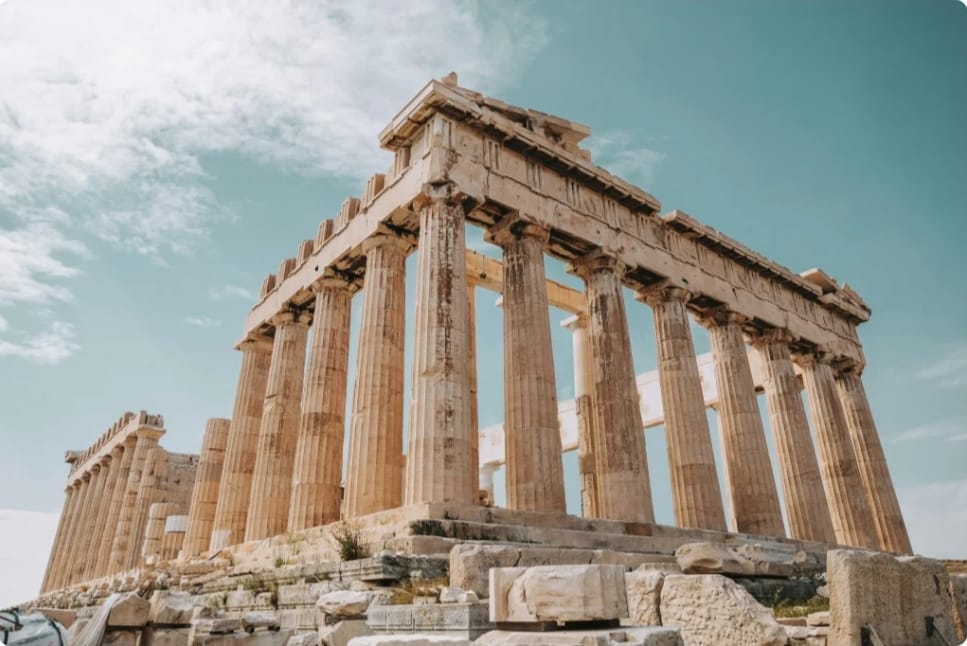
8. Acropolis of Athens, Greece – Symbol of ancient Greek civilization

The Acropolis of Athens sits atop a hill, overlooking the city, and represents Greece’s rich heritage. Famous monuments include the Parthenon, Erechtheion, and Temple of Athena Nike. Each structure reflects Greek architectural brilliance, artistic excellence, and devotion to gods. Walking through the marble pathways, travelers can experience the birthplace of democracy, philosophy, and mythology. The panoramic view of Athens below merges the ancient and modern city, creating a unique perspective. Visiting the Acropolis allows people to appreciate the intellectual and cultural achievements of ancient Greece.
9. Borobudur Temple, Indonesia – Largest Buddhist temple in the world

Borobudur Temple, built in the 9th century, is the largest Buddhist temple globally. It features nine platforms, over 2,600 carved panels, and 504 Buddha statues. The structure symbolizes the journey from worldly life to spiritual enlightenment. Sunrise visits reveal breathtaking views, with the temple bathed in golden light and surrounded by lush landscapes. Travelers also explore nearby villages to witness local handicrafts and culture. Borobudur is more than a monument—it is a spiritual experience and a deep dive into the art, religion, and history of Indonesia.
10. Mesa Verde, USA – Ancient cliff dwellings of Native American culture

Mesa Verde in Colorado, USA, provides a rare glimpse into the life of the Ancestral Puebloans. Its cliff dwellings, ceremonial kivas, and rock-built homes highlight the creativity, resilience, and advanced techniques of these ancient communities. Visitors can explore structures built into cliffs and understand how these communities thrived in challenging environments. Mesa Verde is a UNESCO World Heritage Site that connects travelers with the daily life, rituals, and craftsmanship of early Native Americans. The experience leaves a lasting impression, showcasing both history and human ingenuity.
Conclusion
Cultural heritage sites are windows into the past, offering travelers more than just beautiful sights. Exploring the top cultural heritage destinations to visit once in a lifetime reveals the depth of history, artistry, and human culture. Visiting the Taj Mahal, Machu Picchu, Great Wall of China, Giza Pyramids, Petra, Angkor Wat, Colosseum, Acropolis, Borobudur Temple, and Mesa Verde provides a direct connection with the beliefs, lifestyle, and achievements of ancient civilizations. Each site tells a unique story and offers lessons in creativity, resilience, and devotion. Exploring these top cultural heritage destinations to visit once in a lifetime goes beyond tourism—it becomes a journey through time, leaving memories that educate, inspire, and transform the way we view the world. For travelers seeking knowledge, inspiration, and unforgettable experiences, these heritage sites are must-visits that enrich both mind and soul.