sachinbusiness19@gmail.com
India, the birthplace of Buddhism, is home to some of the most peaceful Buddhist monasteries in India. Nestled amidst snow-capped mountains, rolling hills, and lush green valleys, these monasteries are not only sacred religious sites but also havens of peace, culture, and history. Walking through their corridors, you can hear monks chanting softly, smell incense, and admire ancient murals and golden statues that tell stories of devotion and wisdom. Whether you seek meditation, spiritual growth, or simply a break from the chaos of daily life, visiting these monasteries provides an experience that nourishes the mind, body, and soul.
Here is a journey through five of the most peaceful Buddhist monasteries in India, each with its own unique charm and spiritual significance.
1. Tawang Monastery – Arunachal Pradesh
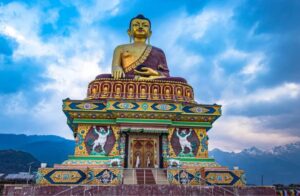
Perched at an altitude of 10,000 feet in the beautiful mountains of Arunachal Pradesh, Tawang Monastery is the largest in India and the second-largest in the world. Locally known as Gaden Namgyal Lhatse, it was established in the 17th century and is a sacred site for followers of Mahayana Buddhism. The monastery is home to over 450 monks and features a magnificent 8-meter golden Buddha statue, vibrant murals, and centuries-old scriptures.
The atmosphere at Tawang is truly magical. Surrounded by snow-covered peaks and green valleys, the monastery seems suspended in time. Visitors can listen to the rhythmic chanting of monks, watch prayer wheels spin, and feel the gentle flutter of colorful prayer flags in the wind. Whether you are a spiritual seeker or simply a lover of nature, Tawang offers a serene and unforgettable experience. Moreover, the monastery plays an important role in preserving Tibetan culture and traditions, making it a must-visit destination for both history and spirituality enthusiasts.
2. Hemis Monastery – Ladakh’s Spiritual Gem
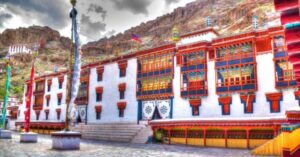
Located about 45 kilometers from Leh, Hemis Monastery is the largest and most famous monastery in Ladakh. Built in the 17th century by King Senge Namgyal, it belongs to the Drukpa tradition of Tibetan Buddhism. The monastery is famous for the Hemis Festival, held annually in June or July. During this festival, monks perform traditional mask dances to honor Guru Padmasambhava, the founder of Tibetan Buddhism.
Inside Hemis, visitors can admire ancient paintings, golden statues, and sacred texts preserved for centuries. The monastery’s quiet surroundings, combined with the breathtaking hill views, create a peaceful ambiance that encourages meditation and reflection. Furthermore, the chants and rituals performed by the monks enhance the spiritual atmosphere. For travelers seeking a combination of culture, spirituality, and natural beauty, Hemis Monastery offers an unforgettable experience.
3. Rumtek Monastery – The Jewel of Sikkim
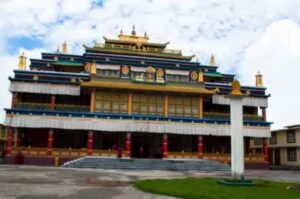
Near Gangtok, Rumtek Monastery stands as one of the most important Buddhist sites in India. Also known as the Dharma Chakra Centre, it is the main seat of the Kagyupa sect. Surrounded by lush green hills, the monastery provides a tranquil environment ideal for meditation and spiritual practice.
Inside Rumtek, visitors can find a golden stupa, vibrant wall paintings, and a large prayer hall that resonates with the chanting of monks. Built in traditional Tibetan architectural style, the monastery also offers stunning views of the Himalayas, adding to its serene charm. Moreover, Rumtek serves as a center for Buddhist learning, attracting scholars and spiritual seekers from across the globe. Those who visit Rumtek often leave with a sense of peace and inspiration that lasts long after their trip.
4. Namdroling Monastery – The Golden Temple of South India
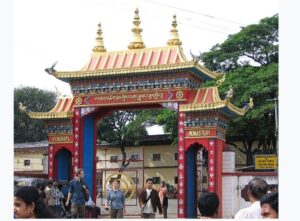
Located in Bylakuppe, Karnataka, Namdroling Monastery is widely known as the Golden Temple. It is the largest teaching center of the Nyingma tradition of Tibetan Buddhism in the world. Founded in 1963 by Pema Norbu Rinpoche, Namdroling is home to more than 5,000 monks and nuns who live, study, and practice here.
The monastery is adorned with golden domes, massive Buddha statues, and colorful artwork that creates an atmosphere of calm and devotion. As soon as visitors enter, they are greeted by the sound of chanting and the scent of incense, which immediately soothes the mind. Additionally, Namdroling serves as a center for cultural preservation, meditation, and learning, offering a peaceful retreat from the hustle and bustle of city life. For anyone seeking inner calm, spiritual knowledge, or a unique cultural experience, Namdroling Monastery is an ideal destination.
5. Thiksey Monastery – Ladakh’s Mini Potala Palace
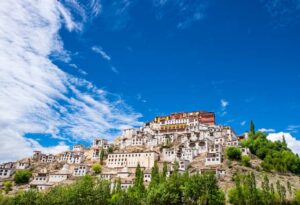
Just 19 kilometers from Leh, Thiksey Monastery is often called the Mini Potala Palace due to its resemblance to Tibet’s Potala Palace. Following the Gelugpa tradition of Tibetan Buddhism, this 12-storey monastery houses over 500 monks. It is known for its stupas, thangka paintings, and the 49-foot tall statue of Maitreya Buddha, the largest in Ladakh.
Attending morning prayers at Thiksey is a unique spiritual experience. Visitors can watch the monks perform rituals while enjoying breathtaking panoramic views of the Himalayas. Moreover, the serene surroundings, combined with the chanting of mantras, create an environment perfect for meditation, reflection, and personal transformation. Many travelers leave Thiksey feeling rejuvenated, inspired, and deeply connected to their inner selves.
Final Thoughts
isiting these peaceful Buddhist monasteries in India is more than just sightseeing—it is a spiritual journey. From the snow-capped peaks of Ladakh to the lush hills of Sikkim and the serene landscapes of Karnataka, each monastery offers a unique blend of culture, history, and tranquility. Moreover, they provide an ideal setting for meditation, reflection, and spiritual growth. Whether you are a seeker of inner peace, a lover of culture and history, or a traveler who enjoys breathtaking natural beauty, these monasteries have something for everyone. Experiencing them can soothe the mind, uplift the spirit, and leave a lasting impression on the heart.